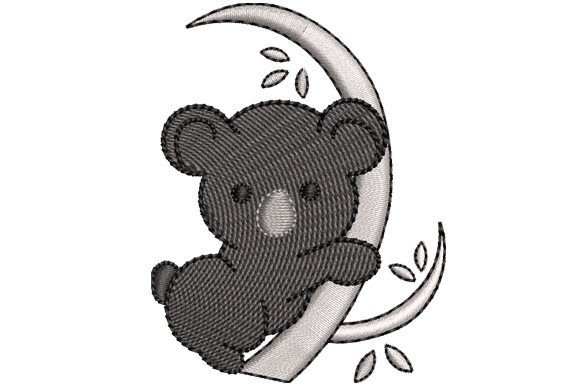
Baby Bear on Branch Review for Business
As an experienced embroidery designer who has spent years refining designs for commercial applications, I approach every new asset with a critical eye. Today, I am reviewing the Baby Bear on Branch machine embroidery design to determine its viability for small business merchandise, branded patches, and professional apparel. The description invites us to "Say hello" and promises a way to "infuse some personality" into fabric creations. But does it hold up under the pressure of real-world production? This review breaks down how this digital embroidery file performs when applied to actual products like tote bags, aprons, and caps.
First Impressions: Personality Meets Professionalism
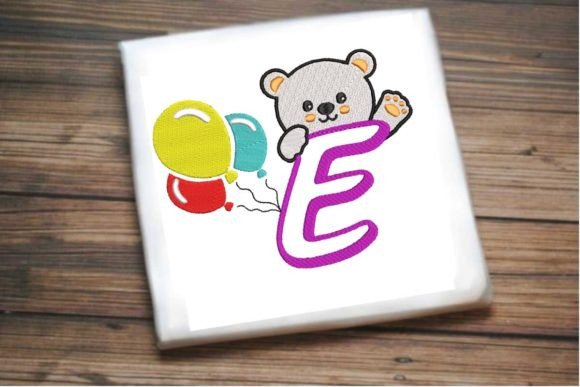
The title Baby Bear on Branch immediately sets a tone that is warm, approachable, and rustic. In the world of brand identity, first impressions matter immensely. For a boutique, a bakery, or a creative studio, this design offers a friendly aesthetic that can soften a corporate image without sacrificing quality. It feels handmade yet precise, striking a balance between playful and elegant. Unlike overly complex designs that might look cluttered at a distance, this piece appears to offer a simple and efficient structure, which is crucial for maintaining a clean visual presentation on various items.
When evaluating the embroidery file as a standalone asset, the concept of a baby bear suggests a connection to nature, family, and care. This makes it an ideal candidate for brands that want to project trust and warmth. Whether you are selling handmade goods or running a local café, the visual personality of Baby Bear on Branch aligns perfectly with businesses that value customer engagement and a personal touch.
Real-World Application in Small Business Merch
The true test of any commercial embroidery project lies in its versatility across different mediums. How does Baby Bear on Branch translate from a screen to a physical product?
- Embroidered Patches: This design has strong potential as a sew-on or iron-on patch. Its contained shape works well for circular or rectangular patches attached to denim jackets, backpacks, or the collars of work shirts. A finished product featuring this patch instantly elevates the perceived value of the item.
- Staff Uniforms and Aprons: For a coffee shop or a florist, adding a subtle Baby Bear on Branch logo to the chest area of an apron creates a cohesive brand story. It signals to customers that the staff cares about their craft. It serves as a perfect accent detail that doesn't overwhelm the uniform but adds a layer of charm.
- Caps and Headwear: Embroidering this on a cap requires careful consideration of the curvature. However, if the stitch density is appropriate, it can serve as a memorable focal point for promotional hats given away at events or sold as merch.
- Tote Bags and Product Packaging: A tote bag design featuring this motif is highly marketable. It transforms a generic canvas bag into a branded shopping experience. Similarly, using it as a small accent on product packaging tags can reinforce the handmade product narrative.
For Etsy sellers and digital file buyers, incorporating this design into your custom apparel line can differentiate your store from competitors. It acts as a unique design asset that helps build recognition among repeat customers.
Strategic Considerations and Limitations
While the aesthetic appeal is clear, a professional designer must also consider where the design should be used carefully. Not every surface is suitable for every embroidery technique.
Small Patch Sizes: If you plan to scale this design down for very small patches or tiny labels, you must inspect the spacing closely. Details that look great on a computer screen may get lost in the thread when reduced in size. Ensure the outlines remain distinct and do not merge together.
Curved Surfaces and Caps: Embroidering on curved surfaces like caps can distort the geometry of the bear. You need to verify that the hoop size and digitization account for the curve so the design sits flat and symmetrical.
Fabric Texture and Color: On textured fabrics, such as heavy wool or coarse linen, the definition of the design might vary. Additionally, on dark uniforms, the thread colors must have sufficient contrast to stand out. If the original design uses light threads on a dark background, ensure there is enough underlay to prevent the fabric from showing through.
Stitch Density and Washing: Items that require frequent washing, such as chef aprons or work shirts, need robust construction. High stitch density can sometimes cause puckering on lightweight fabrics. It is vital to confirm that the stitch density is optimized for durability without compromising the fabric's drape.
Impact on Brand Identity and Customer Trust
Every stitch contributes to the overall perception of your brand. Using a high-quality digital embroidery file like Baby Bear on Branch demonstrates attention to detail. Customers associate the quality of the embroidery with the quality of the business itself. A crisp, well-executed design fosters customer trust and reinforces a sense of professionalism.
Conversely, a poorly executed design can detract from the value of the product. By ensuring that Baby Bear on Branch is rendered correctly, you protect your reputation. The design becomes more than just a decoration; it becomes a symbol of your commitment to excellence. It enhances visual consistency across all your marketing materials, from your website to your physical inventory.
Practical Designer Notes for Production
Before committing to a large production run, follow these essential steps to ensure success:
- Test in Black and White: Convert the design to monochrome first. This helps you see the structural integrity of the stitches without the distraction of color choices.
- Check Small Size Viability: Run a test at the intended final size. Does the bear still look like a bear? Are the details legible?
- Review Thread Colors: Select thread colors that complement your brand palette. Ensure there is enough contrast between the fill and the outline.
- Inspect Spacing and Hoop Size: Verify that the design fits within your standard hoop size and that there is adequate spacing around the edges to prevent cutting errors.
- Test on Real Fabric: Never embroider directly onto the final product without a test run. Use the same fabric type to check for puckering or tension issues.
- Use Proper Stabilizer: The choice of stabilizer is critical. Heavier fabrics may need cut-away stabilizers, while lighter fabrics might require tear-away. This ensures the finished product remains stable over time.
- Create a Printable Mockup: Before sewing, generate a printable mockup to show clients or stakeholders. This allows for approval before any material is wasted.
- Confirm Commercial Licensing: Most importantly, ensure you have the correct rights to use this embroidery design for commercial purposes. Check the license terms provided by the creator to avoid legal issues.
In conclusion, Baby Bear on Branch presents a compelling opportunity for small business owners looking to add character to their small business merch. With proper testing and execution, it can serve as a versatile tool for branding, whether on a patch, a cap, or a tote bag. By treating this machine embroidery design with the respect it deserves, you can create products that resonate with your audience and stand the test of time.