Candy Sweets: A Designer's Take on This Sweet Embroidery Design
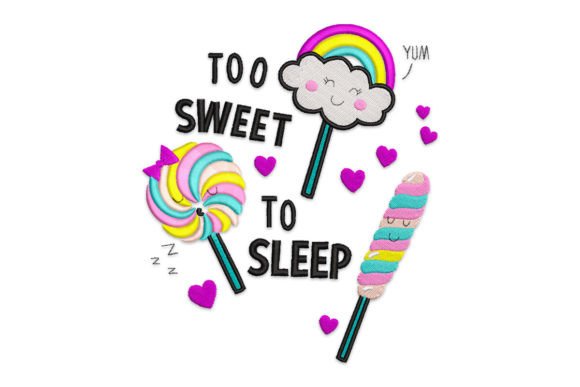
I have spent years reviewing machine embroidery designs, testing everything from intricate monograms to massive landscape scenes. When I first encountered the Candy Sweets design, my initial reaction wasn't just about the cute theme; it was about its potential for real-world application. The description promises characters that are "too sweet to sleep," and visually, that charm translates immediately into a design with serious personality. It is not merely a clipart file; it feels like a cohesive character set ready to bring warmth to a nursery or a playful twist to a kitchen.
As a designer who frequently collaborates with small business owners and Etsy sellers, I am always looking for designs that balance aesthetic appeal with technical feasibility. Candy Sweets sits right in that sweet spot. It offers the kind of visual punch that stops a browser scroll but maintains enough structural integrity to hold up under the stress of a sewing machine needle. Whether you are creating a custom sweatshirt for a boutique brand or stitching a personalized gift for a new parent, this design has a distinct mood that can elevate a finished product from "nice" to "memorable."
First Impressions and Visual Personality
The moment you open the file, the layout suggests a design that thrives in spaces where detail matters. The characters are rendered with beautiful details, which implies a thoughtful use of stitch types. In my experience, dessert-themed designs often suffer from being too generic or lacking definition. However, Candy Sweets appears to utilize a mix of satin stitch for outlines and clean edges, paired with fill stitch to give volume to the candy shapes. This combination creates a tactile quality that is essential for high-end handmade products.
The theme naturally leans towards a whimsical, cheerful atmosphere. It screams "nursery room decor" but also fits surprisingly well in adult spaces if executed with the right color palette. Imagine a framed art piece featuring these characters in pastel threads against a deep navy background, or perhaps a set of kitchen signs for a home baker. The design possesses a versatility that allows it to transcend typical baby items and enter the realm of lifestyle branding. It feels approachable yet professional, a crucial trait for any embroidery project intended for commercial sale.
Real-World Application: From Tote Bag to Boutique Shelf
To truly understand how Candy Sweets performs, I had to imagine it in action. Let's say you are preparing a batch of custom embroidered tote bags for a local craft fair. You want something that appeals to parents but isn't overly childish. Placing the Candy Sweets design on a canvas tote bag could be a winner. The characters would stand out beautifully against the natural texture of the fabric, creating a fun contrast between the rough material and the smooth, detailed stitching.
Consider a scenario where you are designing merchandise for a small shop selling baby essentials. A sweatshirt for a mom-to-be or a onesie for a newborn becomes instantly more special with this design. The "too sweet to sleep" tagline suggests a playful energy that resonates with tired parents looking for a touch of joy. If you were to embroider this onto a pillow cover for a nursery, the density of the stitches would add a luxurious feel that customers notice when they run their hands over the fabric. It transforms a simple textile item into a keepsake.
For the digital product seller, this design is a goldmine for creating printable mockups. You can visualize how it looks on a tea towel hanging in a sunlit kitchen or as an applique design on a denim jacket. The clarity of the lines ensures that even in a digital preview, the design retains its charm. It is the kind of asset that helps a Etsy seller build a consistent brand identity, signaling to buyers that their products are thoughtfully curated and professionally made.
Technical Considerations and Fabric Challenges
While the design is charming, a responsible reviewer must address where it might struggle. Not every surface is suitable for every design. If you are working with a small hoop size, you need to verify that the dimensions of Candy Sweets do not force you to cut off important details. Tiny lettering or delicate decorative accents can sometimes get lost or look muddy if the hoop is too tight or the fabric is too unstable.
Fabric choice is paramount here. Textured fabrics, such as heavy bouclé or thick corduroy, can obscure the fine details of the candy characters. Similarly, stretchy fabrics like jersey require a stabilizer that provides enough support to prevent puckering, especially around the curves of the design elements. Dark fabrics present another challenge; if the thread colors chosen for the design are light, you will need a high-quality backing to ensure the design pops without showing through the weave. Always test the design on scrap fabric first to check thread color contrast and ensure the stitch density is appropriate for your specific material.
Curved surfaces, like caps or beanies, demand careful planning. While the design might look great flat, the way it wraps around a curve can distort the characters if not hooped correctly. For projects that require frequent washing, such as aprons or children's clothing, inspect the dense stitch areas closely. High-density fill stitches can sometimes cause fabric stiffness, so using the proper stabilizer is non-negotiable to maintain the drape and comfort of the final product.
Designer Notes for Success
If you are planning to use Candy Sweets for a commercial embroidery venture or a personal gift, there are a few practical steps to take before hitting the start button. First, review the stitch count and file formats provided by the creator. If these details are not explicitly listed, contact the vendor or check the documentation carefully. You cannot assume compatibility with all machines without verification.
When selecting thread colors, think beyond the standard rainbow. Sometimes, using monochromatic threads or metallic accents can make a dessert-themed design look sophisticated rather than kitschy. This is particularly effective for commercial embroidery targeting older demographics or modern home decor enthusiasts. Test the design in black and white mockups to ensure the value contrast holds up without relying solely on color.
Licensing is another critical area. Before selling finished items or distributing digital files, confirm the license terms. Some designs allow for unlimited commercial use, while others restrict the number of units sold. Ignoring this can lead to legal trouble down the line. Also, consider the end-user experience. Does the design feel like it belongs on the product? Does it enhance the perceived value? A well-executed embroidery file builds trust and encourages repeat business.
Ultimately, Candy Sweets is more than just a cute image; it is a tool for creativity. Whether you are a hobbyist making gifts for family or a seasoned entrepreneur expanding your catalog, this design offers a blend of charm and structure that works well in many contexts. Just remember that the success of the final product relies heavily on your preparation, from choosing the right fabric to managing the hoop size and stabilizer. With the right approach, this design can become a standout piece in your portfolio, proving that sometimes, the sweetest designs are the most practical ones.