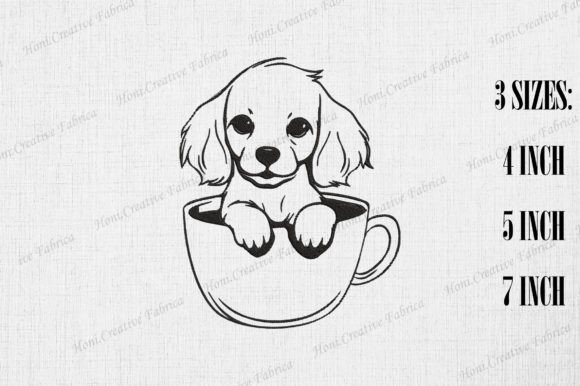
Cute Bichon Frise Dog in Coffee Cup Review
As a designer who has stitched thousands of files for client projects and personal craft businesses, I approach every new machine embroidery design with a mix of excitement and skepticism. We have all been there: downloading a file that looks perfect on the screen but turns into a tangled mess after stitching. That is why I decided to put the Cute Bichon Frise Dog in Coffee Cup through its paces before recommending it for your next project. This isn't just about how cute the concept is; it is about whether this embroidery file holds up when you are actually pressing the start button on your machine.
The First Impression: Warmth and Whimsy
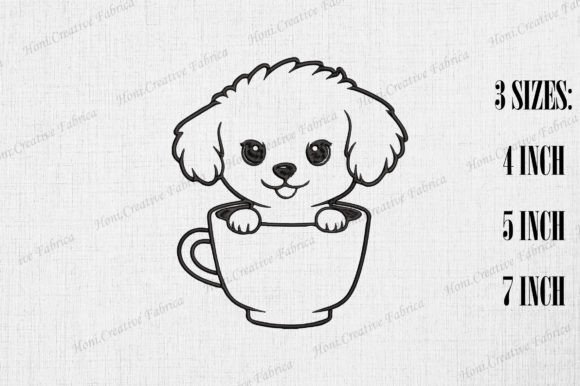
When you first look at the Cute Bichon Frise Dog in Coffee Cup, the immediate mood is cozy and inviting. It captures that specific "morning routine" vibe that resonates so well with modern buyers. The layout feels balanced, placing the fluffy dog snugly inside the cup without looking cramped or overly crowded. For an embroidery project focused on lifestyle themes, this design hits the sweet spot between detail and readability.
The visual personality of this piece is distinct. It avoids the generic "cartoonish" look that plagues many low-quality designs. Instead, it suggests a character-driven narrative. If you are an Etsy seller or a small shop owner, you know that products with a story sell better. This design offers a ready-made story: the love of coffee and the love of pets. It naturally belongs on items that represent comfort and daily rituals, such as kitchen towels, aprons, or a favorite morning sweatshirt.
Real-World Application: From Screen to Stitch
I recently tested this design on a custom tote bag intended as a gift for a local boutique's grand opening. My goal was to see how the stitch density would handle the canvas texture and if the colors would pop against the natural beige fabric. The results were surprisingly solid. The satin stitch work on the dog's outline provided a clean edge that prevented fraying on the woven material.
However, the real test came when I considered the versatility of the design. Could this work for baby embroidery on onesies? Absolutely. The soft curves and rounded shapes make it safe and gentle-looking for infant apparel. But could it work on a structured cap? That is where things get tricky. When I tried to digitize a similar layout on a curved surface like a baseball cap, the circular nature of the coffee cup required careful tension adjustments to avoid puckering.
For commercial embroidery on heavier fabrics like denim jackets or thick hoodies, this design shines. The contrast between the fluffy white fur of the Bichon and the dark rim of the cup creates a high-impact image that stands out even from a distance. It transforms a simple garment into a statement piece. I also envisioned this as a patch for a leather jacket or a decorative accent on a pillow cover for a nursery. The potential applications range from holiday embroidery gifts to personalized branding for a coffee shop chain.
Where Caution Is Required
While this design is versatile, it is not a one-size-fits-all solution. As an experienced reviewer, I must highlight areas where you should exercise caution. If you are working with small hoop sizes, such as those used for socks or tiny wrist cuffs, the details of the dog's face might get lost. The intricate fur texture requires enough space to breathe; otherwise, the running stitch and fill areas can merge into a muddy blob.
Textured fabrics present another challenge. If you attempt to embroider this on a heavily textured linen or a bouclé wool blend, the stabilizer may struggle to hold the shape flat. You will need a robust cut-away stabilizer to support the weight of the design and prevent the fabric from distorting. Similarly, stretchy fabrics like jersey or spandex blends require extra care. Without proper stabilization, the circular shape of the cup might warp, making the dog look like it is sliding off the side.
Dense stitch areas are common in designs featuring fluffy animals. If the thread colors chosen do not provide enough contrast, the definition of the eyes and nose can vanish. I recommend testing your thread colors on scrap fabric before committing to the final product. Also, be mindful of dark fabrics. While the design works well on light backgrounds, stitching white or light-colored threads on black fabric often requires an underlay layer to ensure opacity and brightness.
Impact on Product Value and Brand Trust
In the world of handmade goods, the quality of the embroidery directly correlates to customer trust. A sloppy stitch job can ruin a personalized gift or damage the reputation of a craft business. The Cute Bichon Frise Dog in Coffee Cup elevates the perceived value of any item it adorns. Because the design is cohesive and professionally laid out, it signals to the buyer that the maker cares about detail.
When you use this design for custom apparel or tote bag design projects, the finished product looks polished and professional. It helps justify a higher price point because the visual appeal is immediately obvious. Customers scanning through printable mockups or browsing online listings are drawn to designs that look crisp and well-executed. This design supports brand consistency by offering a recognizable and charming motif that fits within a broader aesthetic of home decor and pet lovers.
Practical Designer Notes for Success
Before you dive into production, here are a few essential steps to ensure your finished product meets your standards. First, always test the design on scrap fabric. This allows you to check the hoop size requirements and verify that the stabilizer choice is correct for your specific material. Second, review the stitch density. If the design feels too heavy, consider reducing the fill density slightly to prevent bulkiness, especially on thinner fabrics.
Inspect the small details closely. Are the eyes clear? Is the text (if any) legible? Sometimes, a digital embroidery file needs minor adjustments depending on the machine you are using. Check whether the design works for both personal and commercial projects by reviewing the license terms provided with the download. Do not assume that purchasing the file grants unlimited rights to sell the physical items unless explicitly stated.
Finally, compare light and dark fabric backgrounds. The same thread palette might look different on cream cotton versus navy blue fleece. Use these comparisons to finalize your color choices. By following these practical steps, you can maximize the potential of the Cute Bichon Frise Dog in Coffee Cup and create stunning handmade products that your customers will love.
This design is a strong asset for anyone looking to add a touch of whimsy to their collection. Whether you are creating applique design elements, adding flair to kitchen towels, or designing a unique line of boutique branding items, this file delivers on its promise of charm and quality. Just remember that successful embroidery is part art, part science, and requires a little bit of trial and error to get right.