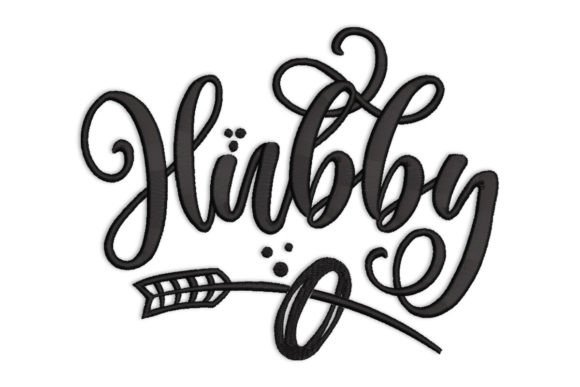
Hubby Embroidery Design Review for Merch
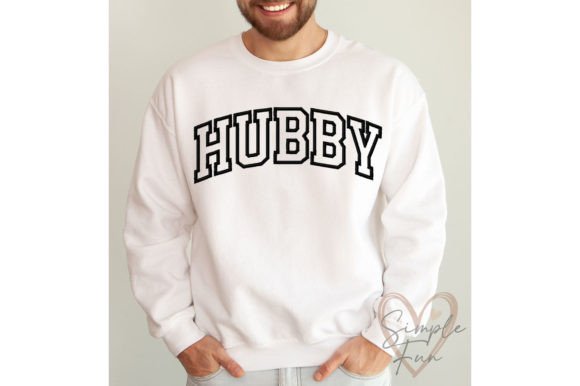
As an embroidery designer who has spent years translating digital concepts into tangible textile experiences, I approach every new design file with a critical eye. When evaluating assets for small business merchandise, branded patches, and custom apparel, the goal is never just aesthetic appeal—it is about functionality, durability, and brand alignment. Today, I am reviewing the Hubby machine embroidery design. Based on the description that invites you to "embellish your fabrics" with a touch of "whimsy and charm," this piece presents an interesting case study for entrepreneurs looking to add personality to their product lines.
First Impressions: Whimsy Meets Professionalism
The title "Hubby" immediately suggests a tone that is informal, affectionate, and playful. In the context of a brand identity, this is a double-edged sword. For high-end corporate uniforms or formal wear, this design would likely feel out of place. However, for the growing market of lifestyle brands, creative studios, bakeries, florists, and boutique shops, it offers a distinct voice. The promise of "whimsy and charm" indicates that the visual weight of the design is likely balanced between readability and decorative flair.
When I first visualize this design applied to a product, I see potential in the handmade product sector. It feels like something that belongs on a cozy home decor item or a gift-oriented accessory rather than a rigid work uniform. The challenge for any designer is determining if the whimsy translates well at smaller scales, which is crucial for many of our use cases.
Real-World Business Applications
To determine the true value of this embroidery file, we must look at how it performs across various commercial applications. Here is where Hubby shines:
- Embroidered Patches: This design has strong potential as a sew-on or iron-on patch. Small businesses often use patches to create collectible items or to mark limited-edition releases. If the outline is clean and the fill density is appropriate, it will hold up well as a standalone asset.
- Apron Embroidery: For bakeries, coffee shops, or craft studios, an apron is a walking billboard. Placing "Hubby" on the chest pocket or lower hem can add a personal touch that resonates with customers who appreciate artisanal vibes.
- Tote Bag Design: Tote bags are essential for small business merch. A whimsical design like this works beautifully on canvas totes, especially when paired with simple, bold thread colors that pop against natural or dark fabric textures.
- Cap Embroidery: Caps are a staple in event merch and staff branding. However, the curvature of the cap front requires careful consideration of the design’s width and lettering size to ensure legibility.
- Product Packaging Accents: Beyond apparel, this design could be stitched onto hang tags, garment bags, or even the inside lining of a shirt to create a premium unboxing experience.
For Etsy sellers and craft business assets, this type of design adds emotional value. Customers are not just buying a towel or a pillow; they are buying a feeling of warmth and humor. This emotional connection drives repeat engagement and social media sharing.
Where Caution Is Required
Not every surface is suitable for every design. As a professional, I advise exercising caution in the following scenarios:
- Small Patch Sizes: If you intend to scale this down to less than 2 inches, you must inspect the spacing closely. Tiny lettering and detailed outlines can merge together, resulting in a muddy, illegible image.
- High Stitch Density Areas: Designs with heavy fills can become stiff and bulky. On delicate fabrics, this can cause puckering. Always test on a scrap piece of your actual fabric texture before committing to production.
- Dark Uniforms: If stitching on dark work shirts or uniforms, ensure the thread color contrast is sufficient. White or light pastel threads may require an underlay or a different base color to stand out.
- Frequently Washed Items: While embroidery is durable, designs with long running stitches or loose loops may snag during industrial washing. Check the stitch direction and trim excess threads meticulously.
Impact on Brand Identity and Customer Trust
Using a design like Hubby signals that your brand is approachable and human-centric. In a market saturated with sterile, minimalist logos, a touch of whimsy can differentiate your finished product. It suggests that you care about the details that bring joy to your customers’ daily lives.
However, visual consistency is key. If your brand is known for sleek, modern efficiency, a rustic or overly playful design might confuse your audience. Ensure that the personality of Hubby aligns with your overall marketing message. When done correctly, it enhances customer trust by showing authenticity and a willingness to inject personality into your commerce.
Practical Designer Notes for Production
Before you upload this digital embroidery file to your production queue, follow these essential steps:
- Test in Black and White: Convert the design to monochrome to check its silhouette. If the shape isn’t recognizable without color, the design may lack structural integrity.
- Check Hoop Size: Confirm the recommended hoop size matches your equipment capabilities. Trying to force a large design into a small hoop can lead to distortion.
- Stabilizer Selection: Use the proper stabilizer for your fabric type. Heavy cut-away stabilizers are often needed for woven garments, while tear-away may suffice for lightweight knits.
- Create a Printable Mockup: Before investing in thread and time, generate a printable mockup to show clients or stakeholders. This helps manage expectations regarding scale and placement.
- Review Thread Colors: Evaluate the thread colors provided. Do they complement each other? Is there enough contrast between the background and the text?
- Confirm Commercial Licensing: Most importantly, verify that you have the right to sell products made with this design. Ensure the license terms allow for commercial embroidery and do not restrict the number of units you can produce.
Final Verdict
The Hubby machine embroidery design is a versatile asset for businesses that prioritize charm and connection over strict formality. It excels in the realm of custom apparel, particularly for home goods, gifts, and lifestyle brands. By understanding its limitations regarding size and fabric compatibility, and by adhering to best practices in stabilization and testing, you can transform this whimsical design into a powerful tool for brand identity growth.
Whether you are creating a line of embroidered pillows, staffing your team with branded aprons, or launching a new collection of tote bags, Hubby offers a unique opportunity to add a human touch to your merchandise. Just remember to always test before you commit, and let the quality of your execution speak for your brand’s professionalism.