Lady Bug Family: A Designer's Review
When I first opened the Lady Bug Family embroidery design file, my immediate reaction was one of warmth. It isn't just another generic insect motif; it carries a specific mood that feels perfect for the current season and the types of projects I am most excited about right now. As someone who spends hours testing designs on everything from heavy denim to delicate silk, I look for more than just pretty shapes. I need to know how this design will hold up under the needle, how it translates to a finished product, and whether it adds genuine value to a handmade item or a small business inventory.
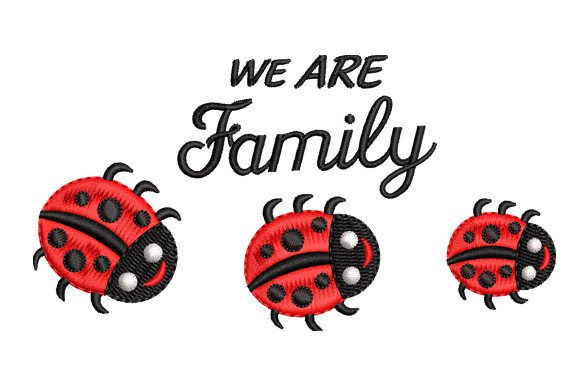
The theme is straightforward yet charming. The layout suggests a gathering of insects, likely with varying sizes to create depth and interest. This falls squarely into the Family Quotes category, though visually, it stands on its own as a delightful illustration. For an embroiderer, the appeal lies in its versatility. It screams "personalized gift," "nursery decor," or "boutique branding." But does it deliver when the thread hits the fabric? Let's dive into how this design performs in real-world scenarios.
First Impressions and Visual Personality
The visual personality of Lady Bug Family is playful but structured. It avoids looking too cartoonish, which makes it suitable for a wider range of customers than just those looking for toddler wear. The shape creates a natural focal point that works well on chest placements, pocket areas, or centered on home decor items. When you look at the digital preview, the spacing between elements feels intentional, allowing each bug to breathe rather than feeling cramped. This is crucial because crowded designs often lose definition during the stitching process.
In terms of detail level, it strikes a balance that experienced designers appreciate. It has enough texture to look high-quality without being so dense that it risks puckering lighter fabrics. The composition suggests a narrative—a little gathering together—which aligns perfectly with the concept of family. Whether you are creating a matching set for siblings or a single statement piece for a parent, the design conveys connection without needing explicit text. It is a subtle way to say "we belong together."
Real-World Application: From Sketch to Stitch
To truly understand the potential of this design, imagine a specific project: preparing a custom embroidered tote bag for a local craft fair. You have selected a sturdy canvas material, perhaps in a neutral cream or soft sage green. Placing Lady Bug Family on the front center of the bag immediately elevates the perceived value. It transforms a simple canvas tote into a curated accessory. The design's color palette, if chosen correctly with contrasting threads, would pop beautifully against the fabric texture.
Now, consider a different angle: baby clothes. A onesie or a soft cotton sleeper is a classic use case for this type of motif. Parents love personalized items for their little ones. If you stitch this onto a white or pastel bodysuit, the result is instantly photogenic and highly shareable on social media. The design fits the "cute factor" perfectly, making it a strong candidate for Etsy listings targeting new parents. It also works exceptionally well on nursery wall hangings or pillow covers, adding a touch of whimsy to a child's room.
For the commercial side, think about holiday gifts or boutique merchandise. A set of kitchen towels featuring Lady Bug Family could be a bestseller during the spring or summer months. The design is clean enough to look professional on tea towels, aprons, or even a patch for a denim jacket. The versatility allows you to pivot quickly based on seasonal trends. One month it might be a spring garden collection, and the next, it could be part of a "Back to School" themed line for kids' bags.
Where Caution is Required
While the design is versatile, no machine embroidery design is universally perfect for every situation. There are specific contexts where Lady Bug Family requires careful consideration. First, avoid using this on very small hoop sizes. If the design includes intricate details or multiple layers, shrinking it down to fit a 3x3 inch hoop might result in lost definition. The tiny parts of the ladybugs could merge into a solid blob of thread, ruining the intended effect.
Fabric choice is equally critical. Textured fabrics like bouclé or thick fleece can hide the fine details of the design. Similarly, thin or stretchy fabrics like jersey or silk require a stabilizer strategy that goes beyond the basics. Without proper support, the density of the fill stitches might cause the fabric to pucker, especially around the curved edges of the bugs. Dark fabrics present another challenge; if the design relies on light-colored threads for contrast, you may need to add a backing layer or adjust the thread colors to ensure visibility.
Curved surfaces like caps or hats can also be tricky. While the design might look great on a flat mockup, the curvature of a cap can distort the perspective of the family group. If the bugs are arranged in a line, they might not follow the curve naturally, leading to a disjointed look. In these cases, it is often better to test the design on a flat surface first before committing to the final garment.
Impact on Product Value and Branding
From a business perspective, the quality of your embroidery directly influences customer trust and brand consistency. A well-executed Lady Bug Family design signals professionalism. Customers notice when stitches are tight, colors are vibrant, and the design sits flush with the fabric. Conversely, loose threads or skipped stitches can make even the best idea look cheap.
This design has high "giftability." Because it evokes feelings of family and nature, it is an excellent choice for wedding gifts, baby showers, or anniversary presents. When you sell a finished product, the story behind the design matters. Highlighting the "family" aspect in your product description can help buyers visualize the emotional connection. For an Etsy seller or small shop owner, this means higher engagement and potentially better conversion rates. The design assets serve as a foundation for building a cohesive brand identity that feels warm and approachable.
Practical Notes for the Design Reviewer
Before you rush to produce a batch of products, there are essential steps every designer should take. Always test the design on scrap fabric first. This allows you to see how the stitch density interacts with your specific materials. Check the thread color contrast carefully; sometimes a color that looks good on screen appears dull once stitched. Review the stitch types—whether it uses satin stitch for outlines, fill stitch for bodies, or running stitch for delicate lines—and ensure your machine handles them smoothly.
Confirm your hoop size requirements and inspect small details closely. Are the legs distinct? Is the head clearly defined? If possible, test the design in black and white mockups to check the contrast and balance without the distraction of color. Compare how it looks on both light and dark backgrounds to determine the best fabric pairings. Using the proper stabilizer is non-negotiable for maintaining the integrity of the design over time, especially for items that will undergo frequent washing.
Finally, verify the licensing terms. Ensure you have the rights to use this embroidery file for commercial purposes if you plan to sell the finished products. Many digital sellers offer different tiers of licenses, so reading the fine print protects your craft business from legal issues. By taking these practical steps, you ensure that Lady Bug Family remains a reliable asset in your toolkit, ready to bring joy to your clients and your own creative projects.