Ornamental Border Review for Craft Fair Success
I recently sat down at my embroidery desk to evaluate a new file called Ornamental Border before committing it to a weekend craft fair booth. As an experienced designer, I know that the difference between a design that sits in a digital folder and one that actually sells is often about how well it translates from a screen to a physical product. This review focuses on what happens when you take this specific embroidery file and turn it into tangible goods for handmade markets, Etsy shops, and boutique displays.
First Impressions: The Vibe of Ornamental Border
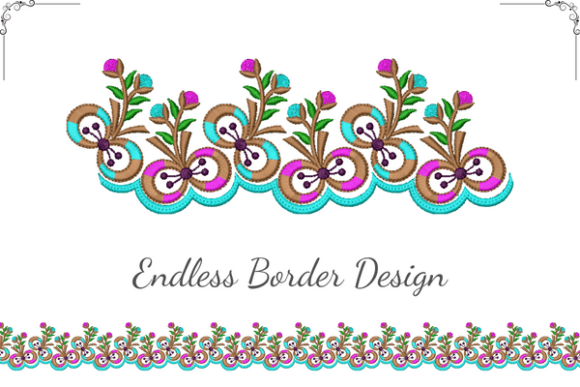
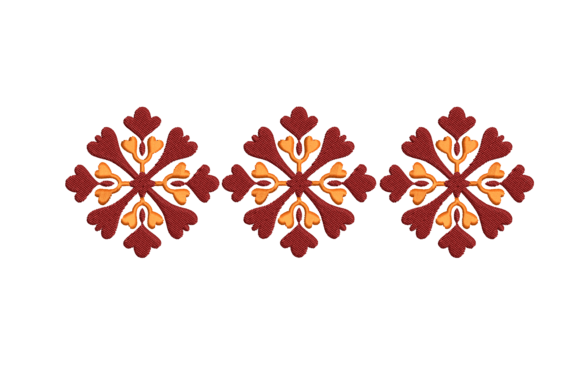
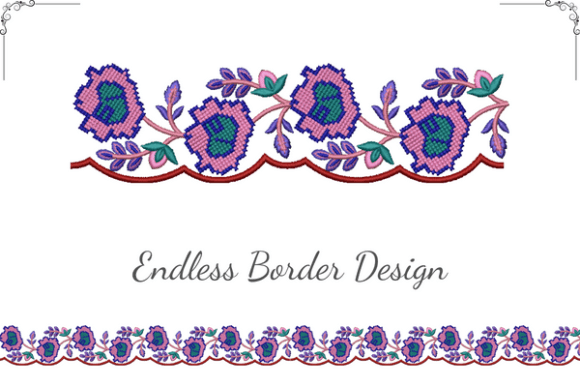
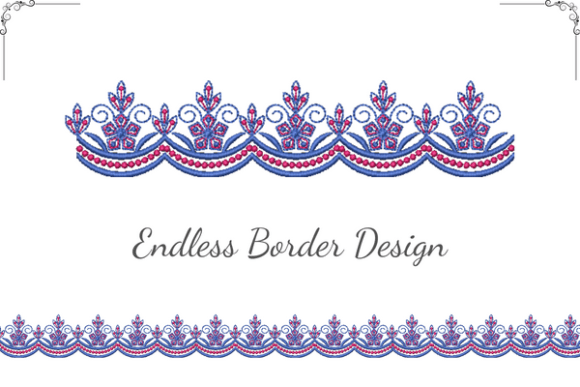
When I first opened the preview for Ornamental Border, the immediate feeling was one of classic elegance mixed with rustic charm. The description highlights a "beautiful flower embroidery," which suggests that this isn't just a generic line; it is likely a decorative element designed to frame or accentuate other items. It feels soft yet structured, perfect for adding a touch of premium quality to everyday items.
For a craft fair setting, visual appeal is everything. Customers walk by hundreds of booths, and they stop for things that look finished and intentional. Ornamental Border has the potential to be that stopping point. It doesn't scream for attention like a neon graphic; instead, it invites customers closer to inspect the stitch work. It strikes a balance between modern minimalism and traditional farmhouse decor, making it versatile enough to fit into various aesthetic niches, from boho chic to country cottage.
Product Potential: Where Ornamental Border Shines
The real magic of a border design lies in its application. I have been testing where Ornamental Border performs best across different craft fair products. Here is my breakdown of where this design will stand out the most:
- Tote Bag Design: A tote bag is a staple for any market vendor. Placing Ornamental Border along the top edge or framing the entire front creates a sophisticated look. Unlike a central logo, a border adds weight and structure to the garment without overwhelming it. It photographs exceptionally well for online listings, giving the impression of a high-end small shop product.
- Apron Embroidery: For kitchen-focused vendors, this design is a winner. An apron with a floral Ornamental Border running down the bib or hemline looks incredibly professional. It transforms a basic utility item into a giftable piece of home decor.
- Tea Towel Embroidery: Nothing says "handmade" quite like a tea towel. Because towels have a textured surface, a well-executed border design adds depth. If the thread colors contrast nicely against the fabric texture, this becomes a top-seller for $20-$30 price points.
- Embroidered Patch: You can also use this as a standalone patch. Customers love attaching patches to denim jackets or backpacks. A circular or rectangular Ornamental Border works perfectly as a focal point for these accessories.
- Pillow Covers: Home decor is a massive category. Framing a pillow sham with this border elevates the perceived value immediately. It makes the item look custom-made rather than mass-produced.
- Caps and Pouches: For smaller items like caps or fabric pouches, the border can serve as a subtle trim. However, you must be careful with scale here to ensure the details remain visible.
Selling Points and Production Practicality
When preparing for a busy weekend market, efficiency is key. I need to know if Ornamental Border allows for batch production or if it requires too much individual attention. From a design standpoint, borders are generally repeatable, which is excellent for creating matching sets. If you produce a set of three towels or a collection of pillows, this design ensures brand consistency across your booth display.
Photography is another critical factor. In a printable mockup or a live photo for an Etsy seller listing, a border design frames the product beautifully. It draws the eye inward, making the rest of the item pop. This is a psychological trick that increases click-through rates. When customers see a clean, framed design, they assume the quality of the stitching matches the neatness of the layout.
However, not every product is suitable. While Ornamental Border sounds wonderful, it may lose clarity if scaled down too small. If you try to embroider this on a tiny zipper pull or a very small coin purse, the intricate flower details might get lost. It works best as a medium-to-large focal design or a substantial accent. It is less effective as a tiny detail on a cuff unless the stitch density is very low.
What to Watch Out For: Careful Use Notes
As a designer reviewing this for commercial use, I have to flag a few areas where things could go wrong if you aren't prepared. The description mentions "colorful look," which implies multiple thread colors. This brings up two main concerns: stitch density and thread contrast.
If the design features dense stitch areas, you risk puckering the fabric, especially on lighter materials like cotton tees or delicate linens. You must ensure you are using the right stabilizer to support the fabric during the run. Without proper backing, the border might pull the fabric out of shape, ruining the final product.
Texture is another hurdle. Embroidering on a thick terry cloth towel or a heavily textured linen can hide the fine details of the flowers. On dark fabrics, the color of the thread might not show up clearly unless you use a high-density underlay or a specific thread type. Always test your finished product on scrap fabric before committing to your inventory. If the design is meant to be a "mac" (likely meaning machine), verify the file format compatibility with your specific machine.
Designer's Checklist for Commercial Success
Before you start churning out dozens of commercial embroidery items for your next sale, follow these practical steps to ensure Ornamental Border hits the mark:
- Test on Scrap Fabric: Never skip this step. Run the design on the exact fabric you plan to sell to check for tension issues.
- Check Thread Contrast: Ensure the thread colors chosen make the flowers pop against your background. High contrast equals higher sales.
- Review Spacing and Hoop Size: Confirm that the hoop size accommodates the full width of the border without needing to re-hoop awkwardly.
- Inspect Stitch Density: Look closely at the flower centers. Are they too tight? Too loose? Adjust the settings if necessary to prevent holes in the fabric.
- Create Real Mockups: Don't rely solely on digital files. Create at least one real mockup to photograph for your digital embroidery file listings or social media.
- Compare Fabric Colors: Test the design on white, cream, and navy to see how the "colorful look" holds up across different palettes.
- Confirm Licensing: Before selling any design assets or finished goods, double-check the commercial licensing terms to ensure you are legally allowed to sell the products made from this file.
Final Verdict
Ornamental Border is a strong contender for any handmade business looking to elevate their home decor and apparel lines. Its versatility allows it to shine on tote bags, aprons, and tea towels, providing a cohesive look that appeals to craft fair shoppers who value quality and detail. By paying attention to fabric texture, stabilizer choice, and thread selection, you can turn this simple border into a premium product that stands out in a crowded market. Whether you are a seasoned Etsy seller or a creative entrepreneur launching your first booth, this design offers the visual appeal and production reliability needed to drive sales.