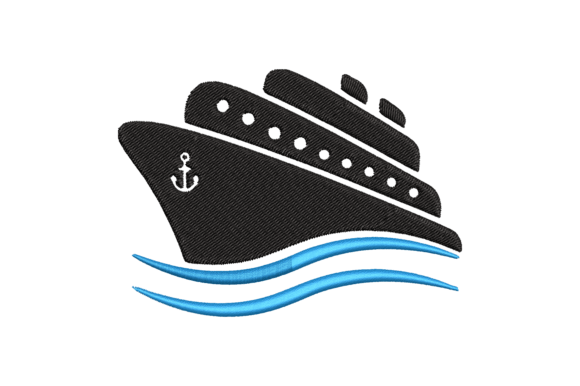
Ship Embroidery Design Review for Craft Fairs
As an experienced embroidery designer preparing for a busy weekend craft fair, I spend hours curating my booth inventory. Every single piece needs to catch the eye of a passerby, look high-quality in person, and be practical enough to produce quickly without breaking the bank. Today, I am reviewing a specific digital design titled Ship. The description promises that this embroidery is an art form that can elevate any fabric, adding a touch of elegance and charm. With this delightful embroidery design, your fabrics will get a unique and eye-catching look. But does it actually hold up when turned into a physical product for sale? Let's dive into a real-world evaluation of how this Transportation themed piece fits into a handmade market strategy.
The First Impression: Elegance Meets Nautical Charm
When I first opened the file for Ship, my initial reaction was one of intrigue. The title suggests a classic nautical theme, but the description hints at something more refined than a typical cartoon boat. It mentions "elegance" and "charm," which immediately tells me this isn't just a simple icon; it likely has the potential to work well on premium items. For a craft fair seller, the mood of the design is crucial. If it feels too childish, it limits the customer base. If it feels too formal, it might not sell as a fun gift item. This design strikes a balance that could appeal to a wide range of buyers, from boho chic enthusiasts to maritime lovers.
In a crowded booth, visual hierarchy matters. A design that promises a "unique and eye-catching look" needs to stand out against the background fabric. I suspect Ship has enough definition to serve as a focal point rather than just a tiny accent. However, the success of this aesthetic depends heavily on execution. Does the stitching density convey that elegance, or does it risk looking cluttered? That is the question we must answer before committing to a production run.
Product Potential: Where Ship Shines
To maximize sales at a craft fair, you need to match the right design to the right canvas. Here is how Ship performs across various craft fair products:
- Tote Bags: This is arguably the strongest candidate. A tote bag design featuring a ship offers a perfect blend of utility and style. The flat surface allows the design to breathe, making the "elegant" aspect shine. Customers love bags with personal touches, and a ship motif suggests adventure and travel, which resonates well with travelers and beachgoers.
- Apron Embroidery: For the home cook or gardener, an apron embroidery project adds a rustic yet sophisticated vibe. The ship design would look fantastic centered on the bib or off to the side near the pocket. It elevates a standard kitchen tool into a statement piece.
- Tea Towel Embroidery: Kitchen linens are impulse buy goldmines at markets. A tea towel embroidery piece with this design could be priced higher due to its perceived value as a home decor item. The description notes it adds charm, which fits perfectly in a farmhouse-style kitchen setting.
- Caps and Patches: While embroidered patch applications are popular, curved surfaces like caps can sometimes distort complex designs. If Ship has fine details, it might lose clarity on a small cap brim. However, if the lines are bold enough, it could make a great accessory for a vintage-inspired hat collection.
- Pillow Covers and Pouches: Small pouches and pillow covers offer intimate spaces for the design. These are excellent small shop products that customers often grab as add-on items while buying larger goods.
Selling Points and Production Reality
For an Etsy seller or a boutique maker, efficiency is key. Can you produce these items in batches without losing quality? The description emphasizes a "unique and eye-catching look," which suggests the design is distinct enough to justify a premium price point. When photographing these items for online listings or creating a printable mockup, the contrast between the thread colors and the fabric texture will determine the click-through rate.
I believe Ship works best as a medium-sized focal design. If it is too small, it loses the elegance mentioned in the prompt. If it is too large, it may overwhelm smaller items like tea towels. The design should feel repeatable; imagine a row of identical tote bags on a display rack. The uniformity of the Ship design would create a cohesive brand look that draws customers in.
However, there are practical considerations regarding the stitch density. High-density designs can cause puckering on thin fabrics like tea towels if the wrong stabilizer is used. Conversely, low-density designs might look sparse on heavy canvas. You must ensure the thread colors chosen provide enough contrast to maintain that "eye-catching" quality under both bright outdoor sunlight and indoor booth lighting.
Careful Use Notes and Technical Warnings
Before you rush to print 50 aprons, there are critical technical hurdles to clear. As a professional reviewer, I must warn you about areas where this design could fail if not handled correctly:
- Dense Stitch Areas: Check the center of the ship. If the stitch count is too high, the fabric may pucker, ruining the "elegant" finish. Always test on scrap fabric first.
- Small Details: If the design includes rigging lines or small text, verify that they will remain visible. Tiny details often disappear on textured towels or dark fabrics.
- Fabric Texture: The description mentions elevating fabric, but rough textures like burlap can obscure fine stitches. Stick to smooth cottons or linens for the best results.
- Curved Surfaces: If applying to a cap, ensure the hoop size and curve compensation are correct. Designs that look flat on a screen can warp significantly on a curved hat.
- Dark Fabric: Ensure the design includes a dense underlay or sufficient coverage so the threads don't sink into dark materials, which would kill the visual impact.
Designer’s Checklist for Success
To turn this digital embroidery file into a profitable line of commercial embroidery products, follow this workflow. First, review the hoop size requirements. Is the design scalable, or is it locked to a specific dimension? Next, inspect the stitch density closely. Are there areas where the needle will penetrate the same spot repeatedly? This can lead to thread breakage and poor quality.
Create at least one real mockup. Do not rely solely on digital previews. Place the finished sample next to your other design assets to see how it compares in terms of color and scale. Confirm the commercial licensing terms before selling finished products; some licenses restrict the number of units you can produce.
Finally, think about the buyer's perspective. Why should someone choose your Ship embroidered tote over a generic one? The answer lies in the quality of execution. By paying attention to the stabilizer choice and ensuring crisp edges, you validate the claim that this design adds "elegance and charm." When customers see the care put into the stitching, they perceive higher value and are more willing to pay for your handmade product.
In conclusion, Ship has the potential to be a standout item in your craft fair rotation. Its blend of transportation themes and elegant styling makes it versatile for various embroidery projects. Just remember to respect the technical limitations of the machine and the fabric. Test thoroughly, photograph beautifully, and let the unique charm of the design do the selling for you.