Wrench in Hand: A Designer's Review for Gift Creators
As an experienced embroidery designer who has spent years turning digital files into tangible heirlooms, I know that the difference between a good product and a great one often lies in the design itself. Recently, I had the opportunity to test the Wrench in Hand machine embroidery design with a specific goal in mind: preparing it for a new line of personalized gifts. My client wanted something unique for a baby shower and a wedding registry, but they also needed items that would appeal to crafters and Etsy sellers looking for high-quality commercial products. This review is based on my real-world testing of the Wrench in Hand design as it moves from a digital file to a finished product.
The First Impression: Charm Meets Craftsmanship
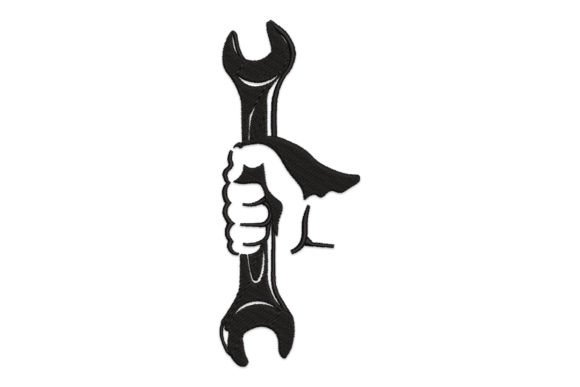
When I first loaded the Wrench in Hand embroidery file into my software, the mood was immediately clear. It is not a generic icon; it feels like a tool that has been used, loved, and trusted. The design strikes a perfect balance between playful and elegant. For a gift shop owner or a handmade seller, this distinction is vital. It does not scream "industrial," nor does it feel overly delicate. Instead, it possesses a warm, inviting charm that suggests craftsmanship and care.
The emotional appeal of Wrench in Hand is its greatest strength. Whether you are creating a custom apron for a new parent who loves to cook or a keepsake pillow for a couple building their first home, this design resonates. It feels modern yet classic, making it versatile enough for a nursery item or a wedding gift. The detail level is impressive without being overwhelming, which means it will stitch beautifully even on smaller projects like embroidered towels or tote bags.
From Digital File to Personalized Gift
In my experience working with Etsy sellers and small business owners, the versatility of a design determines its marketability. I tested Wrench in Hand across several categories to see how it performed as a finished product. The results were promising for anyone looking to expand their inventory.
For baby embroidery, the design works wonderfully on a soft cotton blanket. The sturdy lines of the wrench translate well into the soft fabric, creating a focal point that parents will cherish. Similarly, when applied to a kitchen towel, the design adds a touch of personality that elevates a standard household item into a thoughtful personalized gift. I imagine a customer receiving an embroidered towel with this motif and feeling an immediate connection to the maker's intent.
The potential extends to wedding gifts and family keepsakes as well. Imagine a set of matching aprons for a newlywed couple, each featuring the Wrench in Hand design alongside their names. Or consider a nursery wall art piece where the design is stitched onto a wooden frame. The design's clean lines make it ideal for these applications, ensuring that the final product looks professional and polished. For digital product sellers, this design offers a fantastic opportunity to create printable mockups that showcase the design on various items, helping buyers visualize the end result before purchasing the digital file.
Where to Use (and Where to Pause)
While Wrench in Hand is a robust design, every embroidery project requires careful consideration of the medium. As a designer reviewing this for commercial use, I want to highlight areas where caution is necessary. If you are planning to use this design on products that need frequent washing, such as work clothes or heavily used aprons, ensure you are using high-quality thread and proper stabilizers to maintain durability.
There are specific scenarios where the design might struggle. On stretchy baby clothes, the density of the stitches could cause puckering if the stabilizer is not chosen correctly. Similarly, applying this design to curved surfaces, like the side of a hat or a rounded bag, requires precise digitizing adjustments that may not be present in the base file. You should also be wary of using dark fabrics unless you have a specific underlay plan, as the contrast might not pop as intended without extra steps.
Another critical area to watch is small lettering or very delicate details if you plan to add text near the wrench. While the wrench itself is detailed, adding tiny text next to it can sometimes lead to confusion in the final stitch-out. Always check the stitch density and ensure that the design fits within your hoop size constraints. If you are working with textured fabrics like thick towels, the texture might hide some of the finer details of the embroidery file, so a test run is essential.
Elevating Value and Building Trust
The choice of design directly impacts the perceived value of your handmade product. When a customer sees a well-executed Wrench in Hand design on a pillow cover or a custom tote bag, they perceive the item as higher quality. This perception builds trust and encourages repeat business. For an Etsy seller or a crafter at a fair, the visual appeal of the finished product is often the deciding factor in a sale.
This design fosters an emotional connection because it represents skill and attention to detail. A handmade product featuring Wrench in Hand tells a story of care. It suggests that the creator took the time to select a design that matters, rather than just slapping a generic logo on an item. This narrative is powerful for custom order previews and product photography. When you photograph your finished goods, the sharpness and clarity of the design will shine through, engaging potential buyers and driving sales.
Practical Notes for the Embroidery Maker
Before you rush to produce a batch of small shop products for your store, there are a few technical steps you must take. First, always test on scrap fabric. This simple step can save you hours of rework and prevent frustration. Check the thread color contrast by stitching the design on both light and dark fabric mockups to ensure the colors stand out effectively.
Confirm your hoop size matches the dimensions of your intended project. If the design is too large for your hoop, you may need to split the design or adjust the placement. Review the stitch density carefully; if the design feels too dense, it might distort the fabric, especially on thin materials. Using the proper stabilizer is non-negotiable. For blanket embroidery or heavy-duty items, a cut-away stabilizer is usually best, while tear-away might suffice for lighter fabrics.
Finally, do not forget to check the commercial licensing terms before selling finished products. Ensure that the digital embroidery file allows for commercial use. If the license terms are unclear, contact the designer or platform to confirm. Also, inspect the small details after stitching to ensure no loose threads or missed stitches detract from the finished product.
By following these guidelines and respecting the nuances of the Wrench in Hand design, you can create beautiful, meaningful items that your customers will love. Whether you are crafting a wedding gift, a baby blanket, or a custom apron, this design offers a reliable foundation for your creative endeavors. With careful preparation and a keen eye for detail, Wrench in Hand can become a staple in your collection of personalized gifts.