Butterfly Heart: A Designer's Review for Real Projects
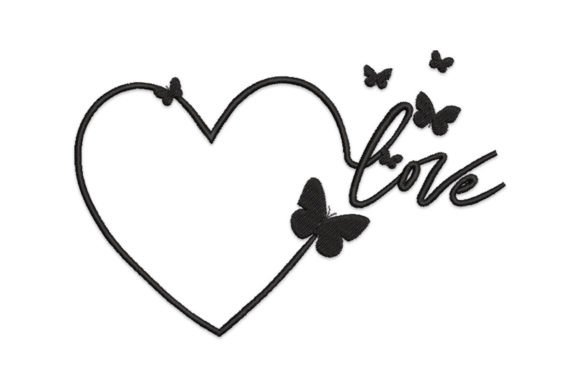
When I first opened the file for Butterfly Heart, I wasn't just looking at a shape; I was visualizing the finished product on a customer's shelf. As someone who has spent years reviewing embroidery designs for both personal crafts and commercial small business lines, I know that the difference between a good design and a great one often lies in how it translates from the screen to the fabric. This piece is not merely a collection of pixels or vector paths; it is a promise of sentiment. The concept—a heart intertwined with butterflies and delicate love lettering—suggests a project that needs to feel soft, romantic, and carefully curated.
The immediate impression of Butterfly Heart is one of gentle movement. Unlike rigid geometric shapes that can look stiff when stitched, this design seems to breathe. The butterfly elements add a dynamic quality that breaks up the traditional solidity of a heart shape. For an embroidery designer, this is crucial because it implies a variety of stitch types working together. You are likely looking at a mix of satin stitches for the smooth curves of the wings and fill stitches to give the petals and heart body some substance. The inclusion of love lettering adds a narrative layer, turning a simple graphic into a message. It feels less like a logo and more like a handwritten note captured in thread.
Putting It to the Test: A Real-World Scenario
Let's imagine a specific scenario where this design would shine. Suppose you are a small business owner preparing a limited run of Valentine's Day gifts for your Etsy shop. You want to create something unique that stands out against the sea of generic red hearts found everywhere else. You decide to focus on a line of custom kitchen towels and matching pillow covers for home decor enthusiasts.
In this context, Butterfly Heart becomes the centerpiece of your brand identity for the holiday. Imagine stitching this onto a high-quality, cream-colored flour sack towel. The contrast of the thread colors against the natural fabric texture would make the butterflies appear as if they are fluttering off the surface. When a customer receives a personalized gift featuring this motif, they aren't just getting a towel; they are receiving a statement of affection. The design works particularly well here because the scale allows for detail without overwhelming the functional aspect of the item. It elevates a standard craft fair product into a boutique-quality item.
I also see this design fitting perfectly on baby items. A onesie or a nursery wall hanging featuring Butterfly Heart carries a tenderness that resonates deeply with new parents. The combination of the heart symbol and the butterfly suggests growth and love, making it an ideal choice for a baby shower gift or a newborn welcome package. However, the success of this application depends entirely on execution. The lettering must be legible even when stitched on the curved shoulder seam of a onesie, and the density of the stitches must be low enough to remain soft against a baby's skin.
Navigating Fabric and Hoop Challenges
While Butterfly Heart is versatile, every experienced embroiderer knows that no single design fits every surface perfectly. There are specific situations where caution is required. If you are planning to use this design on a stretchy fabric, such as a cotton-polyester blend sweatshirt or a fitted t-shirt, you must be vigilant about stabilizer usage. The tension created by the fill stitches in the heart could cause the fabric to pucker if the underlying support isn't robust enough.
Similarly, consider the limitations of your hoop size. While the design looks beautiful on a large canvas like a tote bag or a blanket, it might lose its impact if scaled down too much for a small cap or a pocket square. The details within the butterfly wings and the intricacies of the lettering require a certain amount of space to be resolved clearly. On a tiny embroidered patch or a hat brim, these fine lines might merge into a blur, especially if the thread count is high. In such cases, the design loses its "handmade" charm and starts to look like a machine error rather than a deliberate artistic choice.
Dark fabrics present another challenge. If you intend to stitch Butterfly Heart on black denim or a dark apron, the thread color selection becomes critical. Without a contrasting underlay or a bright thread palette, the design could disappear into the background. Conversely, on very thin fabrics, the density of the fill stitches might be too heavy, causing the material to tear or wrinkle over time. Before committing to a full production run, always test the design on scrap fabric to ensure the stitch density matches the weight of your chosen material.
Design Assets and Commercial Viability
For those selling digital embroidery files or using them to create physical products for resale, Butterfly Heart offers strong potential. It hits the sweet spot of being recognizable yet customizable. As a digital product seller, you can market this as a versatile asset for various occasions beyond just Valentine's Day. It works beautifully for wedding favors, anniversary gifts, or even spring-themed collections where the butterfly motif takes center stage.
The visual appeal of the design directly impacts customer trust. A clean, well-stitched Butterfly Heart signals professionalism. When a buyer sees a finished product with crisp edges and balanced spacing, they assume the maker cares about quality. This perception drives engagement and repeat business. However, if the stitching is sloppy or the lettering is distorted, the perceived value of the entire handmade product drops. Therefore, the integrity of the embroidery file itself is paramount.
Before you start stitching, there are practical steps every designer should take. First, review the stitch density. If the design is too dense, it will be difficult to pull the needle through thick layers of fabric, leading to skipped stitches or broken needles. Second, inspect the small details. Zoom in on the corners of the heart and the tips of the butterfly wings to ensure they are defined and not overly complex for your machine's capabilities. Third, confirm the licensing terms. If you plan to sell finished items made with this design, you need to verify whether the license allows for commercial use. Some digital embroidery files are restricted to personal projects only.
It is also wise to test the design in black and white mockups. This helps you visualize the contrast and composition without the distraction of color. Does the layout feel balanced? Is the negative space used effectively? These questions help refine the final presentation before you ever thread a needle. Additionally, compare how the design looks on different backgrounds. A light thread on a dark fabric requires a different approach than a dark thread on a light fabric, and the choice of stabilizer may vary accordingly.
Final Thoughts on Stitching Clarity
Ultimately, Butterfly Heart is a design that rewards patience and precision. It is not a quick fix for a mass-produced item but rather a choice for a creator who wants to add a touch of elegance and emotion to their work. Whether you are crafting a personalized gift for a loved one or building a line of boutique products for your small shop, this design provides a solid foundation for storytelling through thread.
By paying attention to fabric texture, hoop size, and stitch density, you can ensure that the finished product meets the highest standards of craftsmanship. The goal is to create a piece that feels timeless, where the butterflies seem ready to take flight and the heart beats with genuine warmth. With careful preparation and a keen eye for detail, Butterfly Heart can transform a simple embroidery project into a cherished keepsake.