Coffee Time: A Designer's Review for Small Business Merch
As an experienced embroidery designer who has spent years refining digital assets for commercial use, I approach every new file with a critical eye. When evaluating the Coffee Time design, my focus shifts immediately from simple aesthetics to practical application. This isn't just about a pretty image; it is about whether this design can withstand the rigors of production while elevating a brand's identity. For small business owners, Etsy sellers, and apparel decorators looking to expand their product lines, understanding the nuances of a machine embroidery design is crucial.
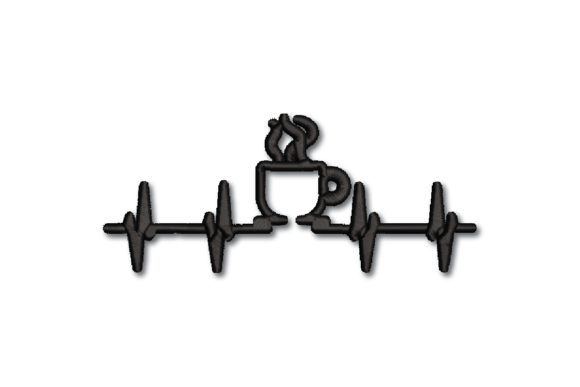
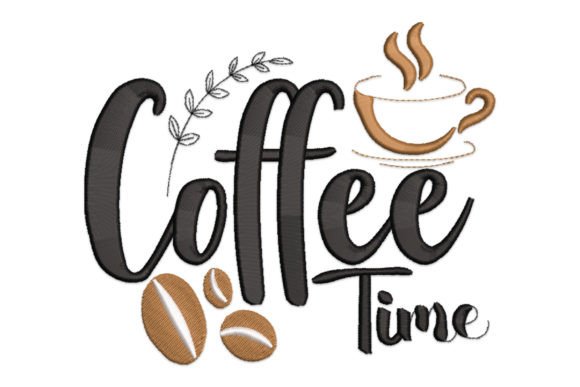
The Coffee Time design features a coffee cup paired with coffee beans and a welcoming quote. Visually, it strikes a balance between rustic charm and modern professionalism. The inclusion of the "Coffee time" quote adds a conversational element that resonates deeply with café culture, bakeries, and creative studios. However, before you commit this to your next batch of branded merchandise, we must analyze how it performs as a functional asset for embroidered patches, staff uniforms, and custom apparel.
First Impressions and Brand Personality
The initial visual impact of Coffee Time suggests a friendly yet established vibe. It feels like a design meant for a boutique coffee shop or a handmade craft studio rather than a high-end corporate uniform. The combination of the cup and beans creates a strong focal point that works well as a chest logo accent or a central patch on a tote bag. For brands aiming to project a sense of warmth and community, this design offers a solid foundation.
In terms of brand identity, the design supports a narrative of comfort and daily ritual. When applied to items like apron embroidery or work shirts, it signals to customers that the business values quality and attention to detail. The playful nature of the quote invites engagement, making it an excellent choice for customer gifts or event merch where you want to leave a lasting, positive impression. It transforms a standard product into a piece of wearable art that tells a story.
Real-World Application for Small Business Merch
The versatility of this digital embroidery file makes it a prime candidate for various commercial projects. One of the most popular uses for designs like Coffee Time is in the creation of embroidered patches. These patches can be sewn onto denim jackets, backpacks, or the sleeves of uniforms to add a unique touch without overwhelming the garment. For a local bakery or florist, a small patch featuring this design can serve as a subtle brand mark that customers appreciate.
When considering cap embroidery, the layout of the cup and text needs careful evaluation. While the design is likely effective on a flat surface like a tote bag design, curved surfaces present challenges. If the lettering is intricate, it may distort on a baseball cap front. However, if the stitch density is optimized, it can serve as a charming sleeve detail or a back-of-cap accent. Similarly, for apron embroidery, which is essential for chefs and baristas, this design can turn a functional item into a branded statement piece.
Product packaging accents are another area where this file shines. Adding a small stitched version of Coffee Time to product labels or hang tags on handmade goods adds a layer of perceived value. It differentiates your items from mass-produced goods found in big-box stores. For Etsy sellers and digital embroidery file buyers, offering this as part of a bundle for other creators can also be a lucrative strategy.
Strategic Considerations and Limitations
While the design has potential, there are specific scenarios where caution is required. Small patch sizes are a primary concern. If the design is reduced too much, the details of the coffee beans and the texture of the cup may become muddy. In such cases, the design loses its clarity, and the brand message gets lost. It is vital to test the design at the intended final size before mass production.
Fabric texture also plays a significant role. On highly textured fabrics, the stabilizer must be robust enough to prevent puckering, especially around the detailed outlines. Dark uniforms require careful thread color selection to ensure the white or light elements of the cup pop against the background. Without proper contrast, the design will look dull and unprofessional. Furthermore, items that undergo frequent washing, such as kitchen towels or napkins, need to be tested for durability. High stitch density can sometimes lead to fabric stiffness or tearing over time if not balanced correctly.
Another limitation to consider is the hoop size. If the design requires a larger hoop than the available space on a garment allows, it may force awkward placement. Always confirm the dimensions relative to the target item, whether it is a wall art piece, a tablecloth, or a compact wall sign.
Professional Designer Notes for Production
To ensure the highest quality finished product, follow these practical steps when working with the Coffee Time machine embroidery design:
- Test in Black and White: Before selecting vibrant thread colors, run a test using black and white threads. This helps you visualize the stitch density and spacing without the distraction of color.
- Review Thread Color Contrast: Ensure the chosen threads provide sufficient contrast against the fabric. Poor contrast can make the design invisible or hard to read.
- Inspect Spacing: Check the distance between the cup, beans, and text. Crowded elements often fail to stitch cleanly, leading to thread breaks.
- Confirm Hoop Size: Verify that the design fits within your standard hoops or that you have access to the necessary large hoops for items like tablecloths.
- Test on Real Fabric: Never rely solely on digital mockups. Stitch the design on the actual fabric you intend to use to check for pull and distortion.
- Use Proper Stabilizer: Select a stabilizer that matches the weight and stretch of the fabric. This is critical for maintaining the integrity of the design during the stitching process.
- Create a Printable Mockup: Generate a printable mockup for client approval. This allows stakeholders to see how the design looks on the final product before any physical production begins.
- Compare Design Assets: Place the design beside other brand assets to ensure visual consistency across all marketing materials and products.
- Confirm Commercial Licensing: Most importantly, verify the commercial license terms. Ensure you have the right to sell products featuring this design, especially if you plan to offer it as a digital embroidery file download.
Elevating Your Brand Identity
Ultimately, the decision to use Coffee Time comes down to how it aligns with your brand goals. A well-executed embroidered patch or a beautifully stitched apron can significantly boost customer trust and recognition. It shows that you care about the tactile experience of your product. In a market saturated with printed graphics, the depth and texture of embroidery stand out.
For those building a handmade product line, this design offers a way to add a professional finish that rivals factory-made goods. Whether used on custom apparel, tote bags, or promotional items, the key is execution. By paying attention to stitch density, fabric choice, and proper stabilization, you can transform a simple digital file into a premium brand asset.
Remember that while the description highlights suitability for wall art and kitchen signs, the true power lies in its adaptability. Use it to create a cohesive visual language for your business. From the first glance at a customer gift to the long-term wear of a staff uniform, Coffee Time has the potential to become a recognizable symbol of your brand's commitment to quality.
Before you proceed with your next commercial embroidery project, take the time to evaluate the technical specifications. Check the exact stitch count and file format compatibility with your machines. If these details are not provided, reach out to the source or conduct your own testing. With the right preparation, Coffee Time can be a valuable addition to your collection of design assets, helping you create memorable experiences for your customers.